The light bulb wattage should perfectly match your ceiling fan, your objective (energy efficiency), and the environment. 36 to 56-inch ceiling fans typically use 55 to 100-watt bulbs.…
More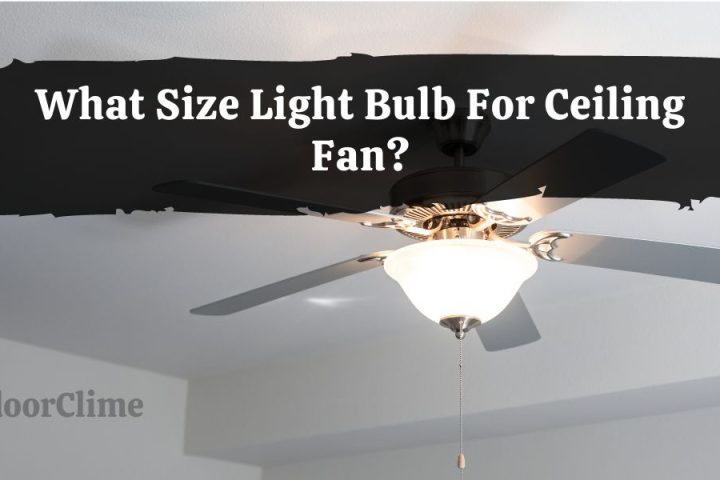


The light bulb wattage should perfectly match your ceiling fan, your objective (energy efficiency), and the environment. 36 to 56-inch ceiling fans typically use 55 to 100-watt bulbs.…
More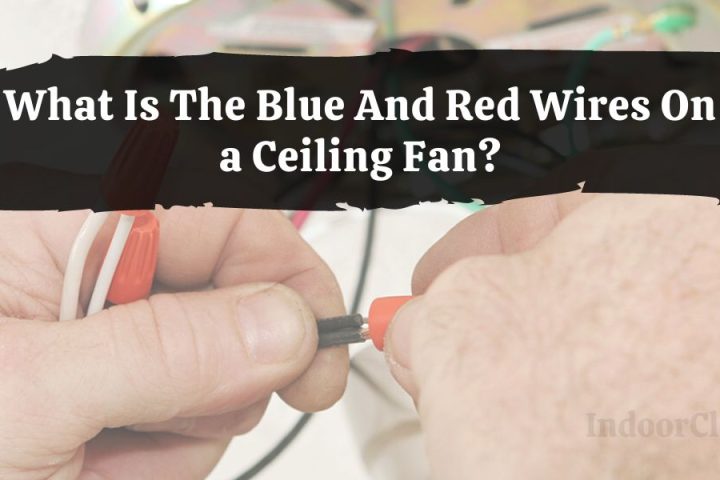
The blue wire on a ceiling fan is for the light if the fan comes with a light. The red wire is occasionally supplied as a conductor to…
More
Ceiling fans are one of the most affordable ways to keep your home cool. A typical fan only uses 30 watts per hour. In contrast, air conditioners consume…
More
There is a solid reason why ceiling fans are a common fixture in many homes. You might notice that your ceiling fan is starting to look worn. Your…
More
The capacitor may have been visibly attached to each ceiling fan. The ceiling fan’s motor is started using this capacitor. You can tell if the ceiling fan capacitor…
More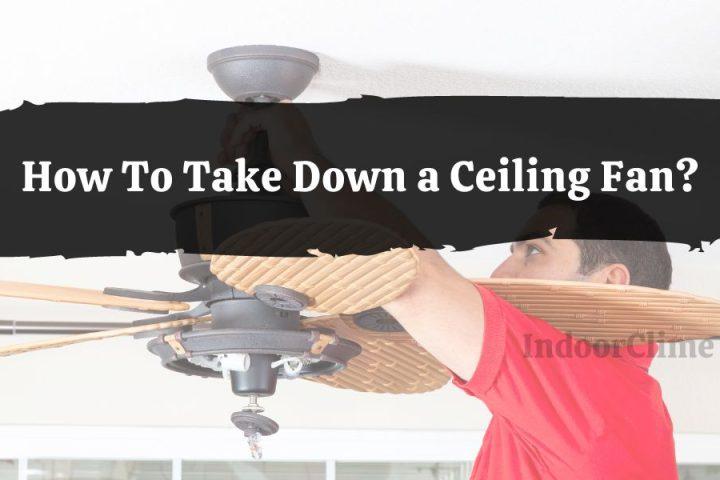
If you consider giving your room a makeover, you may have to replace your outdated ceiling fan with a modern one. To take down a ceiling fan, determine…
More
Ceiling fans used to be an alternative to the more expensive air conditioner. Also, they were the best option back when ACs weren’t invented yet. However, unlike before,…
More
It is necessary to keep the relative humidity level in homes between 30 to 50 percent, with the ideal level being about 45 percent. Humidifiers are great tools…
More
One of the best inventions for home maintenance of the recent century has to be dehumidifiers. This device’s attention to human lifestyle and moisture control of living space…
More
Dehumidifiers take excess moisture and humidity to bring the air’s moisture level to the normal level. People buy dehumidifiers but often fetch the wrong side of the dehumidifier…
More