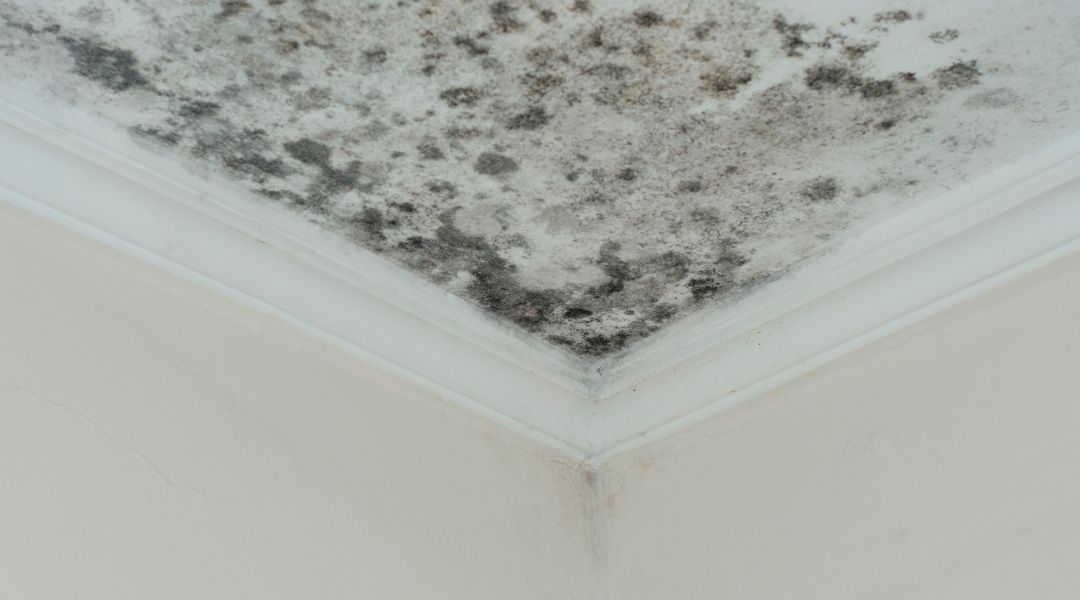
I’m not a scientist, a doctor, or an HVAC engineer. I’m just a guy who’s spent an unreasonable amount of time testing air purifiers in real homes with real problems – basements that smell musty, bathrooms that never quite dry, bedrooms where you wake up congested for no obvious reason.
Over the years, I’ve tested hundreds of units, from $60 Amazon specials to machines that cost more than my first car.
If you’re here, chances are you’re dealing with mold, or at least you suspect you are. And you want to know one thing: do air purifiers actually help with mold, or is that just marketing nonsense?
Short answer: some do, many don’t, and a few genuinely work. Let’s break it down, no fluff.
What Mold Actually Is (and Why It’s a Real Problem)
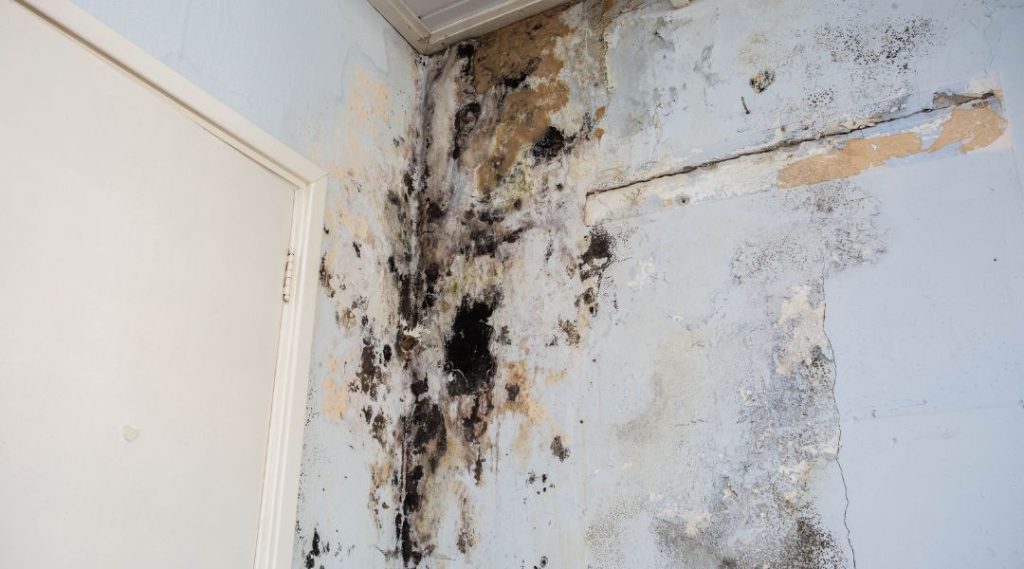
Mold is a type of fungus. It spreads by releasing microscopic spores into the air, and those spores are everywhere. Outdoors, that’s normal. Indoors, that’s where problems start.
Mold grows when three things come together:
- Moisture (humidity, leaks, condensation)
- Organic material (wood, drywall, dust)
- Time
Once it takes hold, mold doesn’t just sit politely on the wall. It releases spores and microbial fragments into the air. You breathe those in. Some people barely notice. Others get:
- Chronic congestion or sinus issues
- Headaches or brain fog
- Worsened asthma or allergies
- Skin and eye irritation
- And here’s the tricky part: even dead mold can still cause symptoms, because the particles and toxins remain airborne.
That’s why “just wiping it down” often doesn’t solve the problem.
How to Get Rid of Mold (The Honest, No-BS Version)
Let me be very clear about something that a lot of purifier companies quietly avoid saying:
An air purifier alone will NOT fix a mold problem.
If you skip this section and jump straight to buying a machine, you’ll probably be disappointed.
Here’s what actually works, in order of importance:
1. Fix the Moisture Problem
No moisture fix = mold comes back. Every time.
- Fix leaks (roof, plumbing, windows)
- Improve ventilation (bathroom fans, kitchen hoods)
- Control humidity (aim for under 50%, ideally 35–45%)
A dehumidifier is often more important than an air purifier in mold-prone spaces.
2. Remove Visible Mold Properly
Small areas can sometimes be cleaned safely. Larger infestations often need professional remediation.
Mold behind walls, under floors, or in HVAC systems is not a DIY weekend project.
3. Control Mold Spores in the Air
This is where air purifiers actually shine.
Even after cleanup, spores can linger for months. Every time you walk, vacuum, or open a door, they get kicked back into the air.
This is where a proper air purifier makes a massive difference in how you feel day to day.
Why Air Purifiers Help with Mold (When They’re the Right Kind)
A good air purifier does three important things for mold problems:
- Captures airborne mold spores
- Traps tiny mold fragments and mycotoxin-carrying particles
- Continuously cleans the air so spores don’t keep cycling through your lungs
But, and this is a big but, most cheap air purifiers don’t do this well at all.
Why Cheap Air Purifiers Are a Bad Idea for Mold
I’ve tested dozens of budget units that claim to be “great for mold.” On paper, they look fine.
In reality? Not so much.
Here’s why cheap purifiers usually fail:
1. Weak or Fake HEPA Filters
Many use “HEPA-type” or “HEPA-style” filters. Those words mean nothing.
True HEPA matters for mold because spores are tiny (often 1–5 microns).
2. Not Enough Airflow
A purifier that can’t move a lot of air is useless in real rooms.
Mold spores don’t politely float into the filter—you need strong circulation.
3. Poor Sealing
I’ve opened cheap units where air literally leaks around the filter instead of going through it.
That completely defeats the purpose.
4. Short Filter Life
Some budget models clog fast, lose efficiency, and quietly stop doing much of anything after a few weeks.
If you’re dealing with mold, cheap usually ends up being expensive, because you replace the unit—or your health suffers.
The Air Purifiers That Actually Work for Mold (From Experience)
After years of testing, there are only a handful of machines I’d trust in a mold-affected home. Two stand out consistently.
AirDoctor 3500
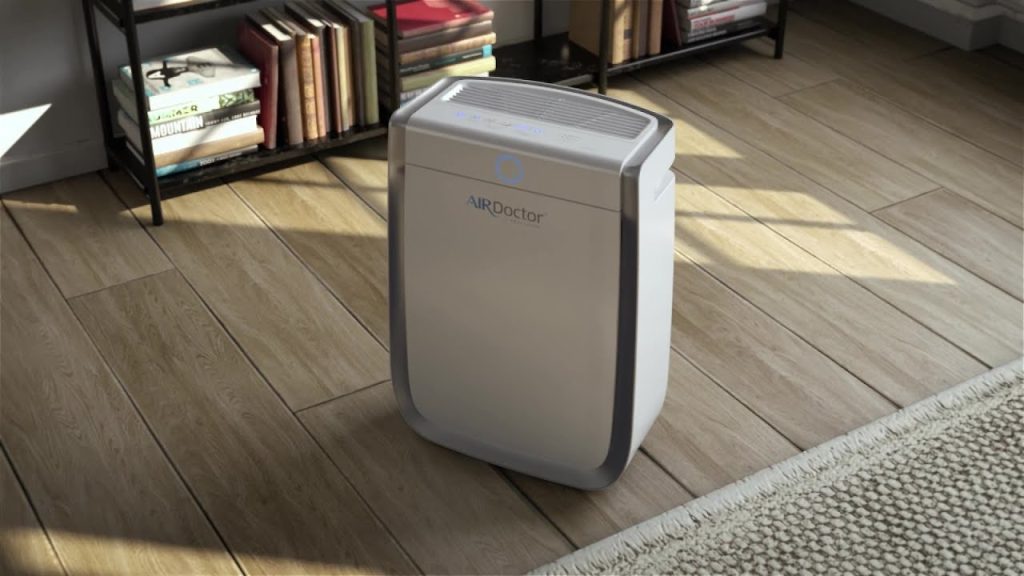
AirDoctor 3500 is one of the most effective consumer air purifiers I’ve tested for mold-related issues.
Why it works:
- UltraHEPA filtration that captures particles far smaller than standard HEPA
- Strong airflow without sounding like a jet engine
- Excellent sealing—air actually goes through the filters
In homes with lingering mold spores, I’ve seen noticeable symptom improvement within days.
Less morning congestion. Less “stale” smell. Cleaner-feeling air overall.
It’s not cheap, but it’s built for real problems, not just dust and pet hair.
JasprAir

Jaspr takes a slightly different approach and leans more into whole-room, professional-grade air cleaning.
What sets it apart:
- Extremely high air exchange rates
- Medical-grade filtration design
- Built for continuous, heavy-duty use
This is the kind of unit you’d expect to see in clinics or serious remediation scenarios.
If you’re dealing with chronic mold exposure or want the cleanest indoor air possible, Jaspr is on another level.
Final Thoughts (From Someone Who’s Been There)
If you take one thing away from this article, let it be this:
- Fix moisture first
- Remove mold properly
- Use a real air purifier, not a cheap placebo
Air purifiers don’t kill mold hiding in walls—but they absolutely reduce what you’re breathing every day.
And when you’re dealing with mold, that can be the difference between feeling constantly run-down and finally feeling normal again.
If you’re serious about solving mold problems, skip the gimmicks. Get the fundamentals right—and invest in tools that actually work.